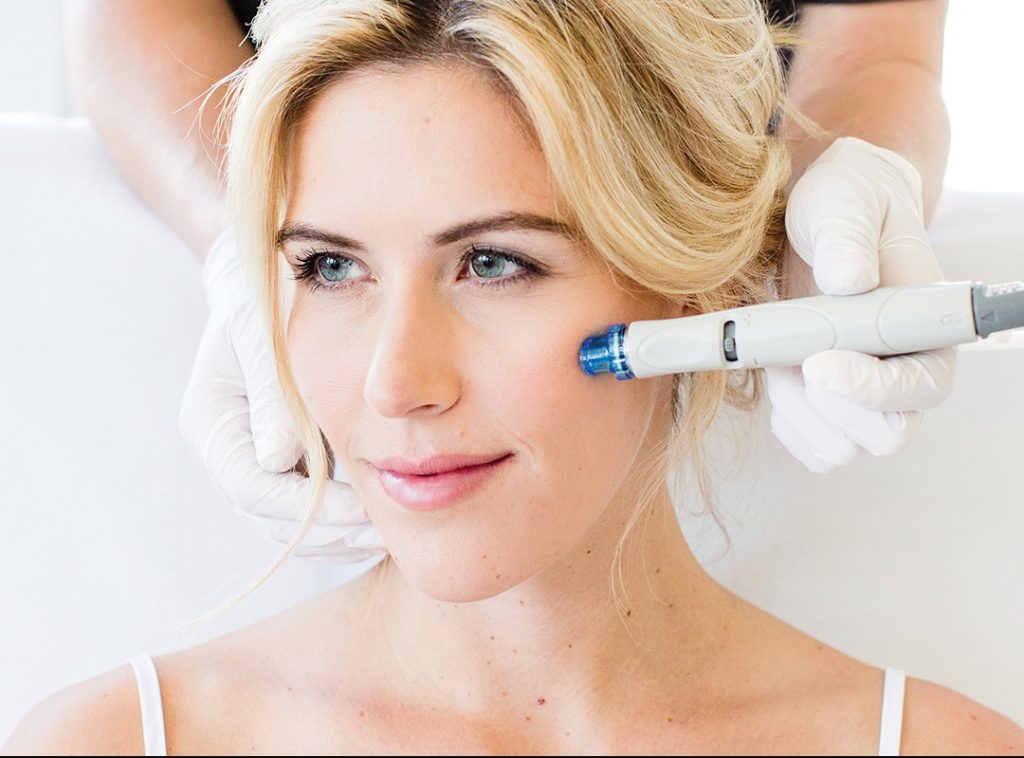
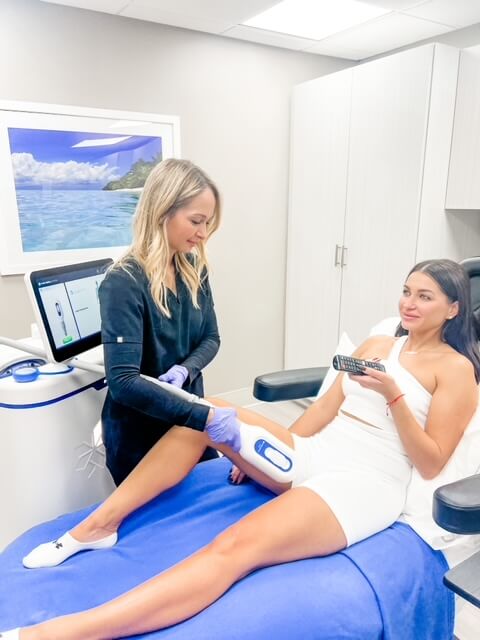
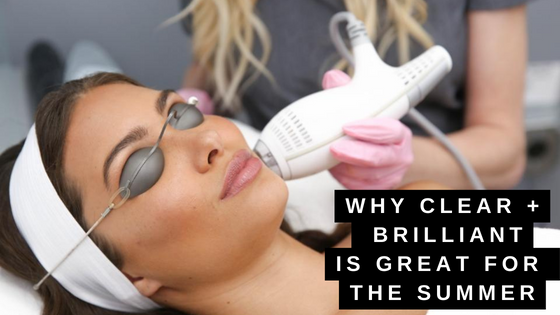
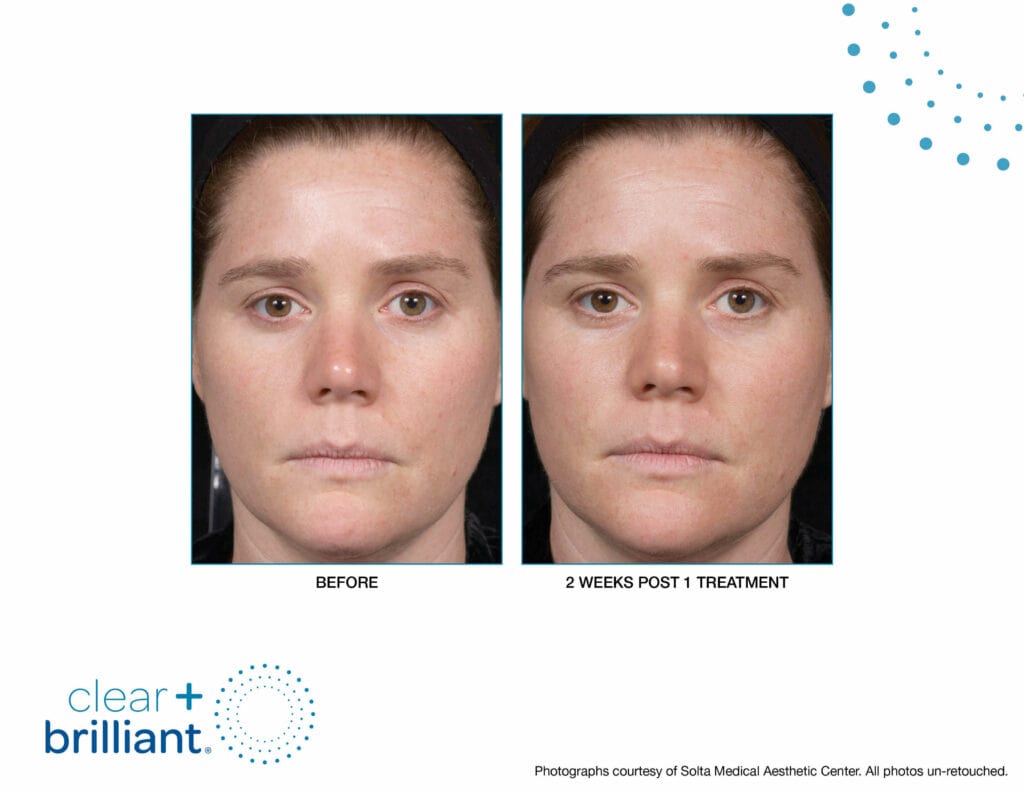
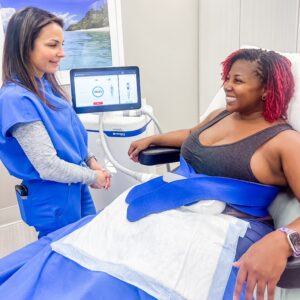
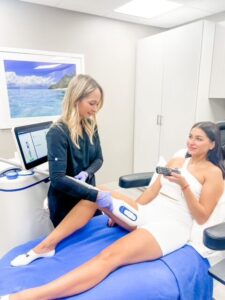
In recent years, medical spas have become increasingly popular for treatments such as Botox®, dermal fillers, laser procedures, body contouring, and skin rejuvenation.
While these treatments are generally safe when performed correctly, they are still medical procedures that require physician oversight. That’s why Having a Physician-Led Medical Director Is the Safest Choice for Medspa Patients and is an important topic for anyone considering aesthetic treatments and looking for a medspa near me.
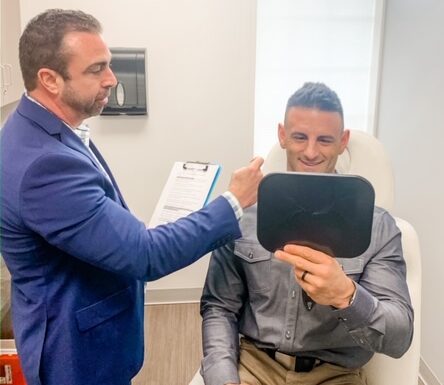
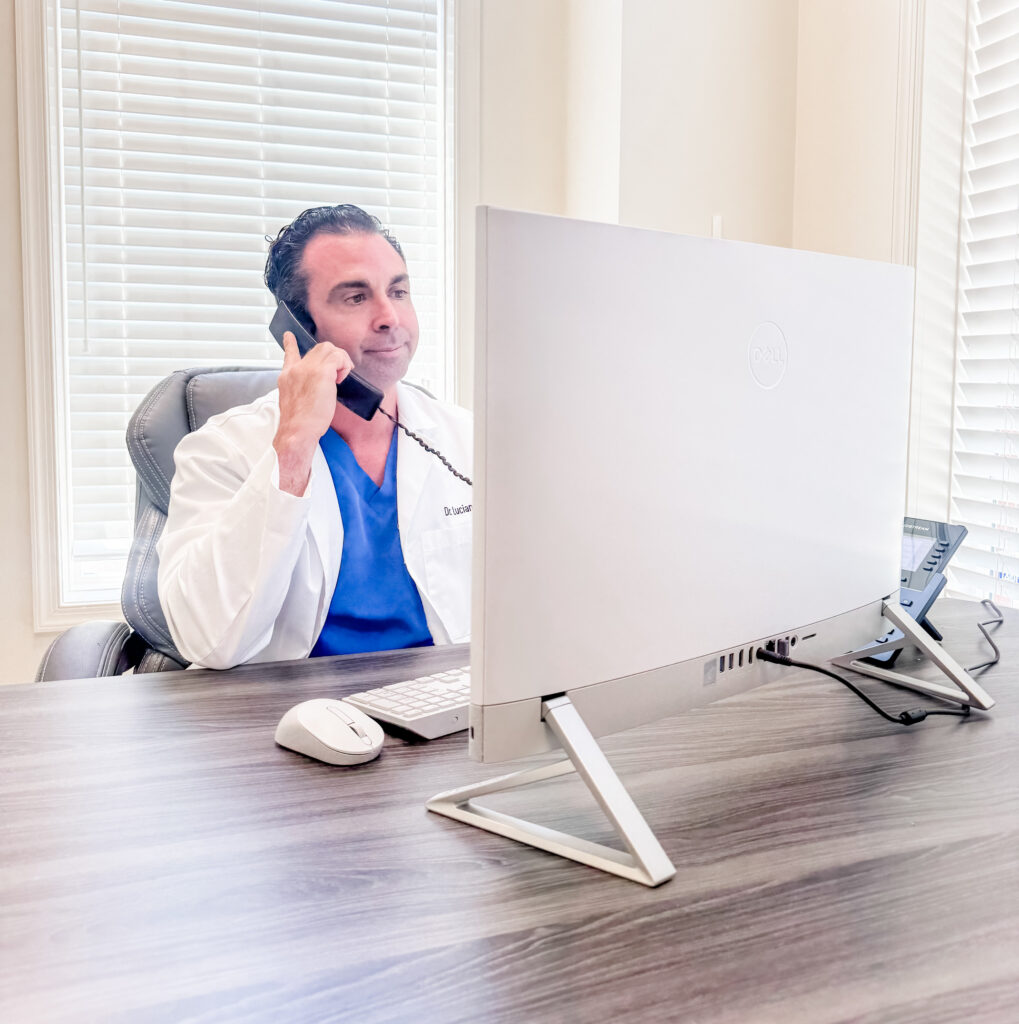
Not all medspas operate the same way. Some have a physician who is actively involved in patient care like we do at Healthy Solutions Medspa with Dr. Luciano, while others may have a physician listed as a medical director but rarely present, not involved in creating safe protocols for patients or not involved in daily operations.
Understanding this difference can significantly impact your safety and treatment outcomes.
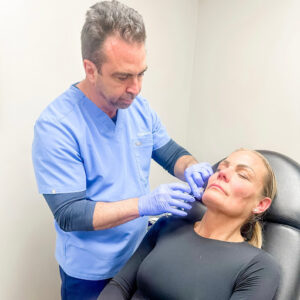
Understanding the Role of a Physician Medical Director
A Physician Medical Director is a licensed medical doctor responsible for overseeing the clinical operations of a medspa. Their role extends far beyond signing paperwork or meeting regulatory requirements.
An actively involved Physician Medical Director:
- Reviews patient protocols
- Oversees treatment safety standards
- Trains and supervises providers
- Evaluates complex patient cases
- Manages complications when necessary
- Helps establish evidence-based treatment protocols
Because aesthetic treatments affect the body’s tissues, blood vessels, nerves, and skin health, medical expertise is essential.
Why Patient Safety Should Be the Top Priority
Every cosmetic procedure carries some level of risk. Even minimally invasive treatments can lead to complications if not performed correctly or if patients are not properly evaluated beforehand.
Patient safety depends on:
- Accurate medical assessments
- Proper patient selection
- Understanding contraindications
- Recognizing potential complications
- Having emergency protocols in place
- Access to medical expertise when concerns arise
An involved physician helps ensure that these critical safety measures are consistently followed.
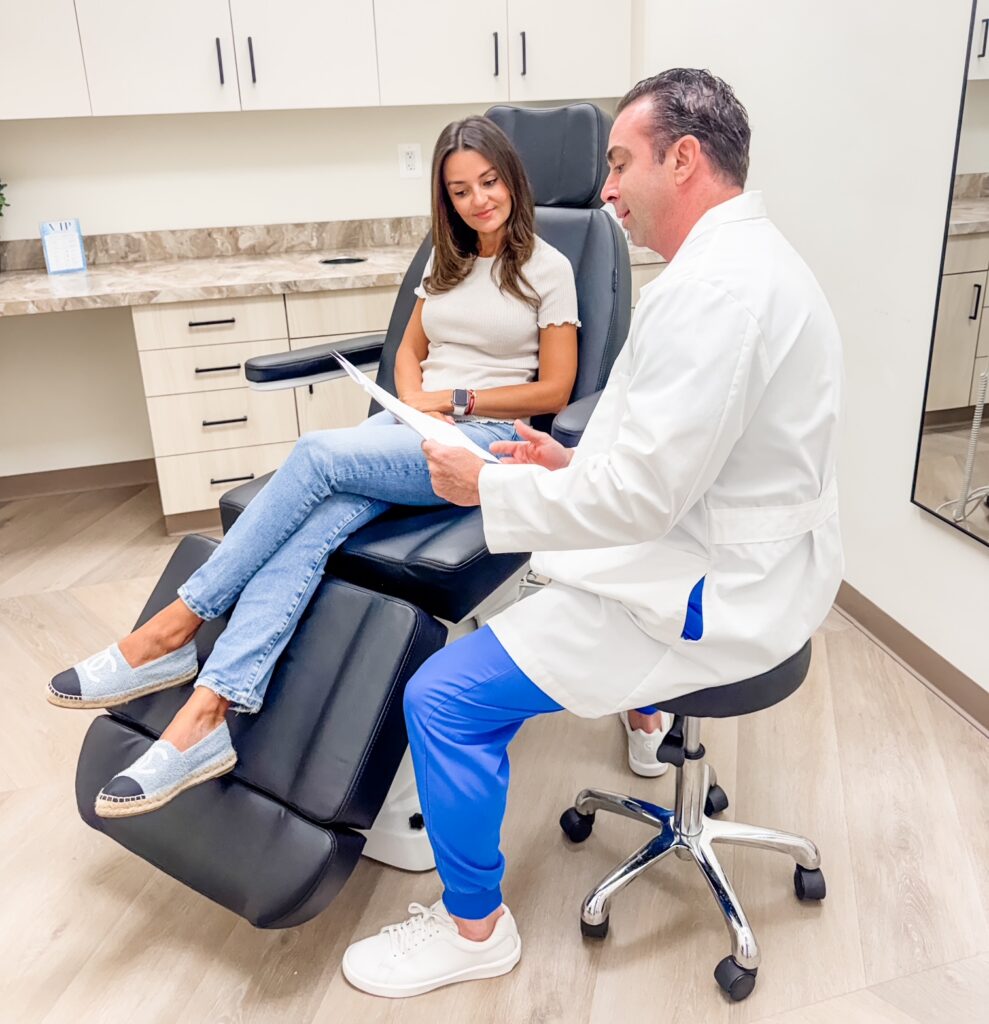
Medical Expertise Matters in Aesthetic Medicine
Aesthetic medicine is not simply about improving appearance. It requires a deep understanding of anatomy, physiology, pharmacology, and patient health.
Recognizing and Managing Complications
While uncommon, complications can occur with treatments such as:
Potential complications may include:
Treatment | Potential Risk |
Fillers | Vascular occlusion |
Botox | Muscle asymmetry |
Lasers | Burns or pigmentation changes |
Microneedling | Infection |
Body Contouring | Skin reactions |
A physician’s training allows them to quickly recognize these issues and intervene appropriately if needed.
Appropriate Patient Assessment
Not every patient is a candidate for every treatment.
An active Physician Medical Director helps ensure that providers carefully evaluate:
- Medical history
- Current medications
- Allergies
- Autoimmune conditions
- Pregnancy status
- Skin type
- Previous cosmetic procedures
This thorough assessment reduces risks and improves treatment success.
The Difference Between Active and Passive Medical Directors
One of the most important distinctions patients should understand is the difference between active and passive physician oversight.
Passive Medical Director
- Rarely if ever on-site
- Minimal interaction with staff
- Limited involvement in patient care
- Primarily fulfills regulatory requirements
Active Physician Medical Director
- Regularly involved in clinical operations
- Available for consultations
- Reviews treatment protocols
- Participates in training and education
- Assists with complex cases and side effects
- Focuses on continuous quality improvement
For patients, active involvement creates an additional layer of safety and accountability.
How Physician Oversight Improves Treatment Outcomes
Safety and results often go hand in hand.
Safe Treatment Planning
Every patient’s goal, anatomy, and health history are unique. Physician-led oversight helps ensure treatments are safe and tailored to the individual.
Evidence-Based Decision Making
Medicine constantly evolves. New technologies, products, and treatment techniques emerge every year.
An engaged Physician Medical Director stays informed about:
- Clinical research
- FDA-approved treatments
- Safety recommendations
- Best practices in aesthetic medicine
This commitment to evidence-based care benefits every patient.
Regulatory Compliance and Patient Protection
Medical spas operate within a complex regulatory environment. State laws often require physician supervision for certain treatments and prescribe specific standards for patient care.
A Physician Led Medical Director helps ensure:
- Proper documentation
- Informed consent processes
- Staff credentialing
- Patient privacy compliance
- Treatment protocol adherence
- Emergency preparedness
These safeguards help protect both patients and providers.
Why Healthy Solutions Medspa Prioritizes Physician Leadership
At Healthy Solutions Medspa, patient safety is the foundation of every treatment and recommendation. Our commitment to physician-led care means patients receive the benefits of both advanced aesthetic services and experienced medical oversight.
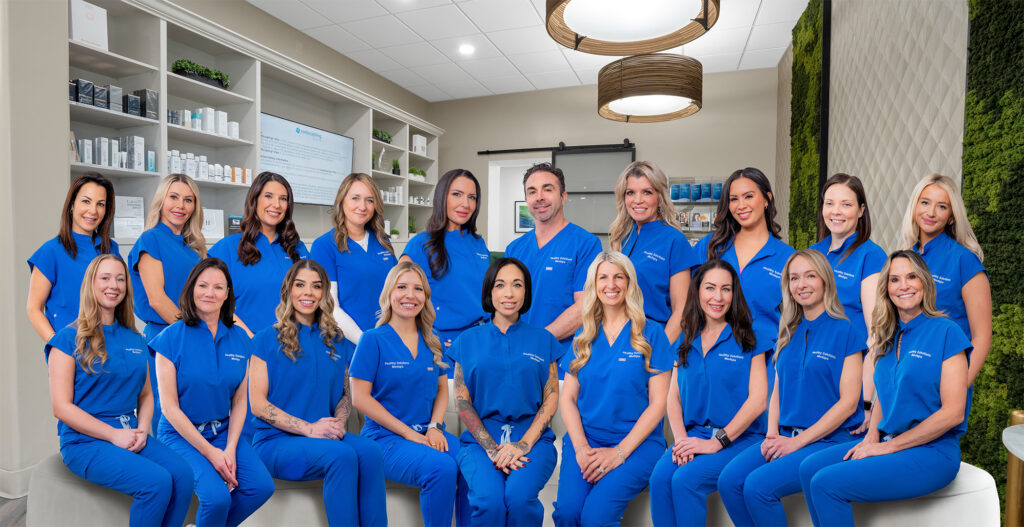
Our Physician Medical Director – Dr. Michael Luciano, is actively involved in:
- Clinical protocol development
- Treatment supervision
- Staff education and training
- Quality assurance initiatives
This approach helps ensure that every patient receives safe, effective, and personalized care.
Questions Patients Should Ask Before Choosing a Medspa
Before scheduling treatment, consider asking:
- Is a Medical Director involved in your treatment?
- How involved is the physician in daily operations?
- Is the physician available if complications occur?
- What training do providers receive?
- How are treatment protocols developed?
- What emergency procedures are in place?
A reputable medspa will welcome these questions and provide transparent answers.
Common Misconceptions About Medical Directors
“All medspas have the same level of physician oversight.”
Not necessarily. Physician involvement varies significantly between facilities.
“Cosmetic procedures don’t require medical supervision.”
Most aesthetic treatments involve medical decision-making and potential risks that benefit from physician oversight.
“If the provider is experienced, physician involvement isn’t necessary.”
Even highly skilled providers benefit from physician leadership, consultation, and support in complex cases.